
Trézor Bridge® | Introducing the New Trezor® App
Trezor Bridge helps compatible software communicate with your Trezor hardware wallet, making device connections easier while supporting secure access, account management, and cryptocurrency transactions.
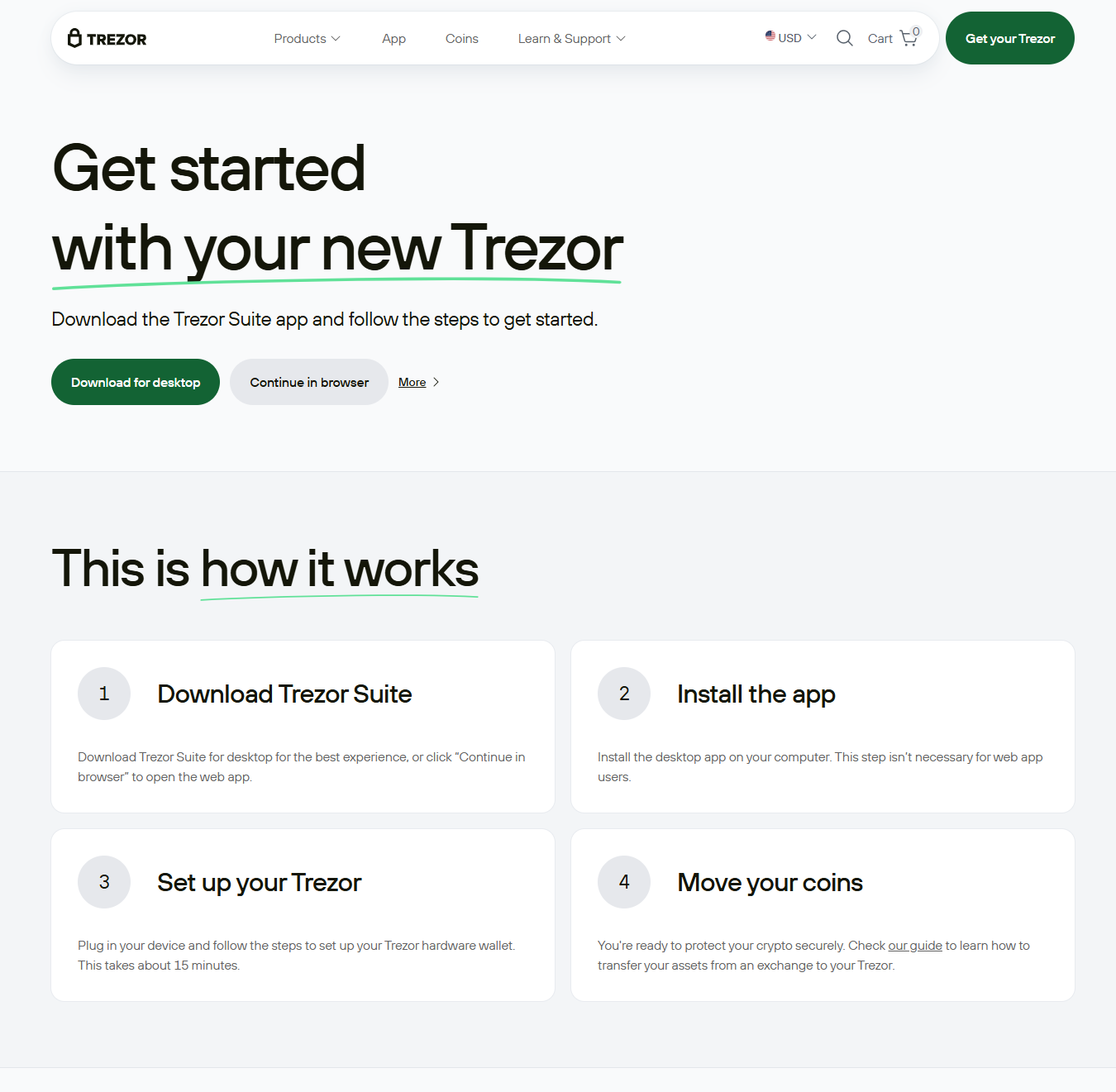
Trezor Bridge: How It Connects Your Trezor Hardware Wallet
A hardware wallet provides a physical layer of protection for cryptocurrency management, but it still needs a way to communicate with compatible software on a computer. Trezor Bridge is a communication component designed to help connect a Trezor hardware wallet with supported applications, creating a smoother environment for managing digital assets.
For users who are new to hardware wallets, the term “bridge” can sound technical. In practice, its purpose is relatively straightforward: it helps compatible software communicate with the connected Trezor device.
What Does Trezor Bridge Do?
Trezor Bridge works as an intermediary between a Trezor hardware wallet and compatible software running on a computer. When the physical device is connected, the bridge helps applications recognize and communicate with it.
This communication is useful because the hardware wallet and computer perform different roles. The computer provides the interface for viewing accounts and preparing transactions, while the physical device is used for important security-related operations and confirmations.
By helping these components communicate, Trezor Bridge supports a more convenient hardware wallet experience.
Why Is Trezor Bridge Important?
Cryptocurrency users often need software to check balances, manage accounts, review transactions, and prepare transfers. A hardware wallet, however, is designed to keep sensitive security functions associated with the physical device.
Trezor Bridge helps connect these two sides without making users manually configure complicated communication processes. Once the necessary software is installed correctly, the connection can operate in the background while the user works with compatible wallet software.
This can be particularly helpful when a Trezor device needs to be recognized by a desktop environment.
Getting Started With Trezor Bridge
Before installing Trezor Bridge, users should make sure they are obtaining the software through a trustworthy source. Cryptocurrency-related downloads should never be taken from unknown websites, suspicious advertisements, or links received through unsolicited messages.
After obtaining the appropriate software, follow the installation instructions provided for the computer. Once installation has been completed, connect the compatible Trezor hardware wallet and open the supported wallet application.
If everything is configured correctly, the application should be able to communicate with the connected device.
Connecting Your Trezor Device
A reliable physical connection is an important part of the setup process. Connect the Trezor hardware wallet securely using a suitable cable and ensure that the device is functioning normally.
If the application does not recognize the wallet, check the cable and connection first. Trying another compatible USB port may help identify whether the issue is related to the connection.
Users can also close and reopen the wallet application or restart the computer if the device was previously detected but is no longer recognized.
Trezor Bridge and Secure Transactions
Trezor Bridge helps with communication, but transaction security still depends on responsible user behavior. Before approving a cryptocurrency transfer, carefully examine the transaction information displayed by the wallet.
Check the destination address, amount, and other relevant details before confirming. Do not approve an unfamiliar transaction simply because a computer application requests it.
The physical hardware wallet provides an important opportunity to review transaction information before authorization. Taking time to verify what is being approved can help prevent avoidable errors.
Protect Your Recovery Information
Installing Trezor Bridge does not eliminate the need for good wallet security practices. Recovery information should always remain private.
Never give your recovery words to someone claiming to be technical support. Do not type them into random websites, online forms, or applications simply because a message tells you that verification is required.
Users should also be alert to phishing attempts that imitate wallet services. If an unexpected message asks for recovery information, payment, or remote computer access, stop and independently verify the request.
Troubleshooting Trezor Bridge
If the Trezor device is not detected, begin with basic troubleshooting. Confirm that the hardware wallet is connected properly and that the appropriate software is installed. Restarting the wallet application can sometimes refresh the connection.
If multiple wallet applications or browser processes are attempting to access the same device, closing unnecessary programs may also help.
For persistent problems, consult trusted official support documentation rather than accepting assistance from unknown individuals on social media or messaging platforms.
A Practical Connection Solution
Trezor Bridge plays a supporting role in connecting compatible Trezor hardware wallets with software on a computer. Its primary purpose is to make communication between the physical device and supported applications more convenient.
With the bridge properly installed and sensible security practices in place, users can create a more reliable workflow for managing cryptocurrency. Keeping software from trusted sources, protecting recovery information, checking transactions carefully, and maintaining control of the hardware wallet are all essential parts of responsible digital asset management.
Updated about 10 hours ago